The upcoming UN General Assembly is focused on 'accelerating' the pace of development in line with the 2030 SDGs. Against this backdrop, the recommendations of BRAC's position paper on reimagining development seem more apt, relevant, and essential than ever.
As attendees have been quick to point out in various conferences, meetings, and reform mechanisms, the international development community faces mounting pressures from a range of global challenges. It needs to act fast and act big to meet the 2030 goals.
The community increasingly recognises that the status quo cannot deliver, especially in today's climate. Change is required in both approach and set-up.
With the onus on speed and acceleration, how do we ensure this happens? Reforming the international development system and speeding up results and delivery should not be seen as two separate issues, nor should the methods to achieve them. At present, two factors fundamentally hinder international development: bottlenecks in delivery, and obstacles that stop funding from reaching programmes quickly and without expensive middlemen. Remedying this will improve the sector as a whole, while boosting impact and providing greater value for money for taxpayers.
For delivery to be quick and efficient, funding must be targeted directly at the problems it aims to alleviate. Given the limited resources at the international development community's disposal, funding local solutions is the right thing to do. When money flows directly to local organisations, they can act more quickly, and more of it reaches communities rather than being depleted by layers of administration. If speed is the objective, local is the direction to take.
This brings us to an important point, one often missed in abstract discussions about 'the sector' and international development: who. Who is this for? What do the local people we exist to serve need? Communities do not need complex sector reform and revised funding mechanisms. They need food on the table, a reliable source of income, and access to markets. It matters less which SDG mandate a solution falls under, or which programme delivers it. What counts is that communities work with organisations that understand and adapt to the local environment.
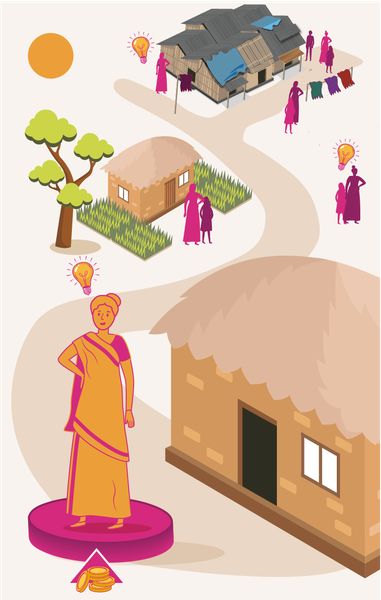
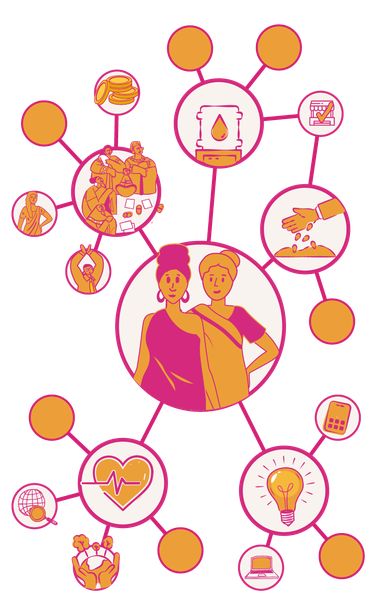
Their lives do not consist of 17 different areas for improvement, which require 17 different, and therefore siloed, sets of approaches. They require big, coordinated efforts, strategically targeted to deliver maximum return on funding. Funding must not be limited by stringent allocations that specify which problems or causes to target; this siloed approach leads to lower returns. Making big bets, unbounded by sector, allows problems to be addressed holistically, with communities benefiting from a multi-sectoral approach.
This approach can only work at scale, with funding directed towards tried and tested solutions that data proves effective. Funding is ever scarcer and needs are greater than ever. For now, we must move away from new pilots and support the range of solutions we know to work, and that we can scale to achieve the change we need to see.
BRAC's position paper, 'What Works in Fighting Poverty? Reimagining Development Cooperation in a Post-Aid World?', outlines what we have seen from our experience of serving local communities. It also sets out how we believe the system should adapt to fight poverty in today's climate. Please read the paper in full below.